Workshop Tile Match
Reviews
Description
Connection Logic
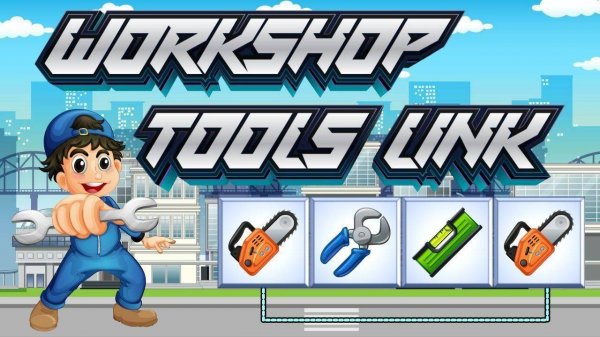
Workshop Tile Match challenges players to find and link pairs of identical tool icons scattered across a grid. The twist is that each connecting path can turn at most twice. This simple rule transforms a basic matching exercise into a spatial reasoning puzzle. As the board fills with wrenches, hammers, and screwdrivers, players must plan their moves to avoid blocking future connections. The mechanic encourages looking ahead and considering how each removal affects the remaining layout.
Visual Atmosphere
The game presents a bright, friendly workshop environment. Tool tiles are rendered in warm, inviting colors that make each icon easy to distinguish. The background and interface elements reinforce a calm, productive mood. This visual style supports focused play without causing distraction. The overall presentation feels welcoming to players of any age, from children exploring logic puzzles to adults seeking a brief mental break.
Pacing and Pressure
A gentle timer adds a light sense of urgency to each puzzle. The countdown is generous enough that players can think through their options, but it encourages efficient decision-making. Early levels offer simple grids that allow newcomers to learn the connection rules. Later puzzles introduce larger boards with more tiles, requiring greater foresight. The difficulty curve feels natural, gradually increasing the demand on pattern recognition without becoming frustrating.
Helpful Tools
When players encounter a tricky board, the game provides hints that highlight a possible matching pair. A shuffle option rearranges all tiles, giving a fresh perspective on the layout. These aids are available without penalty, making the experience accessible to those who prefer a more relaxed pace. Using them sparingly can help develop better strategies over time, as players learn to spot connections more quickly.
Skill Development
Regular play of Workshop Tile Match strengthens several cognitive abilities. Pattern recognition improves as players learn to quickly identify matching tiles among many. Spatial reasoning grows from planning paths that obey the two-turn rule. The timer encourages faster decision-making under mild pressure. These skills transfer to other logic puzzles and everyday problem-solving situations, making the game both entertaining and mentally beneficial.







Player Comments
Sign in to comment
You must be logged in before posting a review or rating.
No account? Create one
No comments yet. Be the first to comment!