Hue Dash Reflex Challenge
Reviews
Description
Core Gameplay Loop
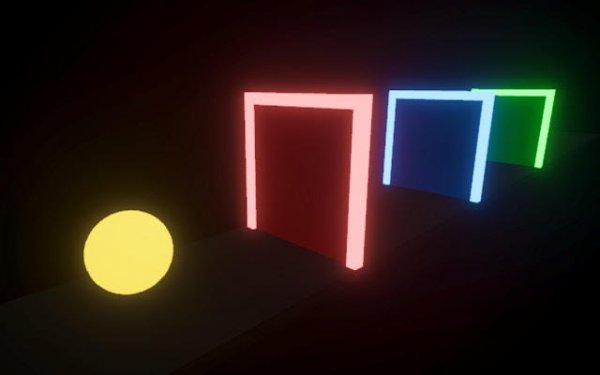
At its heart, Hue Dash Reflex Challenge is about one thing: matching the color of a moving ball to the color of the next gate. The ball rolls forward automatically, and the player's only task is to tap or click to cycle through a set of colors. Each gate presents a specific hue. If the ball's color matches, it passes through. A mismatch ends the run. This simple loop creates a compelling challenge that relies entirely on the player's speed and accuracy.
Visual Design and Feedback
The game uses a vibrant, high-contrast color palette to ensure each hue is easily distinguishable. Gates are clearly marked, and the ball changes color instantly upon player input. Immediate visual feedback follows each interaction: a successful match produces a smooth transition, while a mistake triggers a clear stop. This design helps players quickly learn from errors and adjust their timing. The clean, uncluttered background keeps attention focused on the ball and the approaching gates.
Progressive Difficulty and Speed
As the player advances, the rolling speed of the ball increases. This means gates appear more frequently, and the time to react shrinks. The game does not pause, so continuous attention is required. This gradual ramp-up ensures that the challenge grows with the player's improving reflexes. There is no artificial difficulty spike; the progression feels natural, pushing players to refine their timing and anticipation skills over multiple sessions.
Session Structure and Goals
Each attempt in Hue Dash Reflex Challenge is a single, continuous run. The primary goal is to achieve the longest possible distance without a color mismatch. There are no levels to complete or checkpoints to reach. This endless format encourages players to focus on personal improvement. Short play sessions are ideal, as the game demands high concentration. The simple scoring system tracks the distance traveled, providing a clear metric for progress and competition with oneself.
Accessibility and Control
The control scheme is intentionally minimal. A single tap or button press changes the ball's color. This makes the game accessible to players of all ages and skill levels. There is no need to learn complex button combinations or navigate menus. The straightforward input allows the player to concentrate entirely on the visual task. This design choice removes barriers to entry, making the game easy to pick up but difficult to master.






Player Comments
Sign in to comment
You must be logged in before posting a review or rating.
No account? Create one
No comments yet. Be the first to comment!